
Serbia: The Courage to Imagine Democracy Differently
Serbia: The Courage to Imagine Democracy Differently
Reflections from Novi Sad on resistance, solidarity and the future of the European peace project
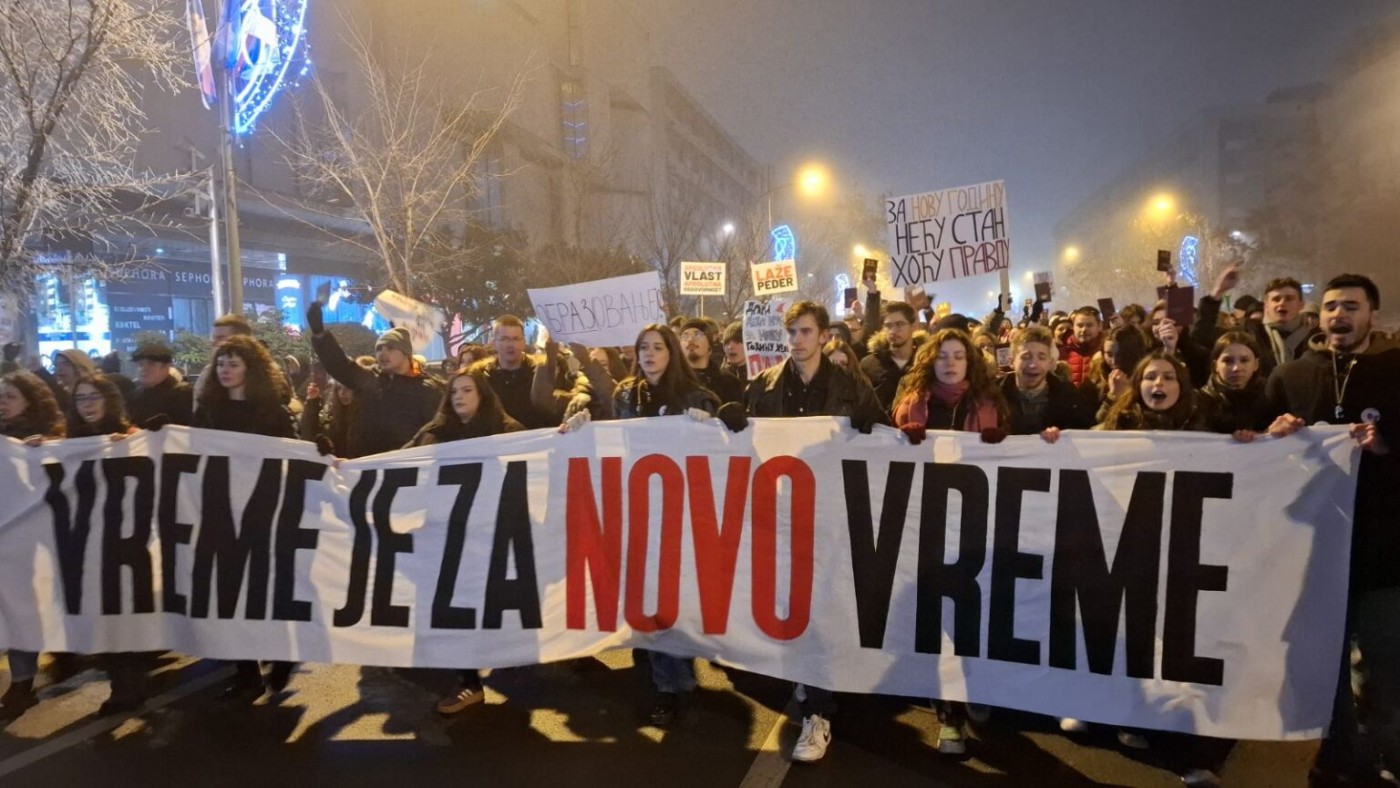
Serbia: The Courage to Imagine Democracy Differently
Reflections from Novi Sad on resistance, solidarity and the future of the European peace project
I live and work in Novi Sad, a city that, on 1 November 2024, became the starting point of an extraordinary transformation in Serbian society.
Sixteen people lost their lives following the collapse of the canopy at our railway station.
I remember the overwhelming feeling of despair and meaninglessness that followed. Not only because sixteen people had died, but because of the terrifying realisation that any one of us could have been standing beneath that canopy. It could have been me, my family, my friends, or anyone passing through the station that day.
And perhaps even more devastating was the feeling that, to those in power, human lives had become little more than bargaining chips in a system built on corruption, political loyalty and the preservation of power.
There was anger, of course. But beneath it was something more profound: a sense of helplessness, of living in a society where even the most basic expectation — that public institutions should protect human life — could no longer be taken for granted.
And then something extraordinary happened.
Out of that despair, hope began to emerge. Not because a political leader appeared with a solution, but because people began to stand together. Students, teachers, farmers, artists, workers, pensioners, neighbours and complete strangers started showing solidarity with one another.
What began as grief and outrage became a collective rediscovery of our capacity to act.
For those of us who have spent years working in independent culture, civil society and international cooperation, this experience raises questions that go far beyond Serbia's borders.
What makes people overcome fear? How can communities divided by political beliefs, generations and identities begin to trust one another? And can democracy be reinvented from below, at a time when so much of Europe seems to be moving in the opposite direction?